
Program & Events
- 1. Program
The draft conference program can be downloaded here..
-
2. Plenary Speakers
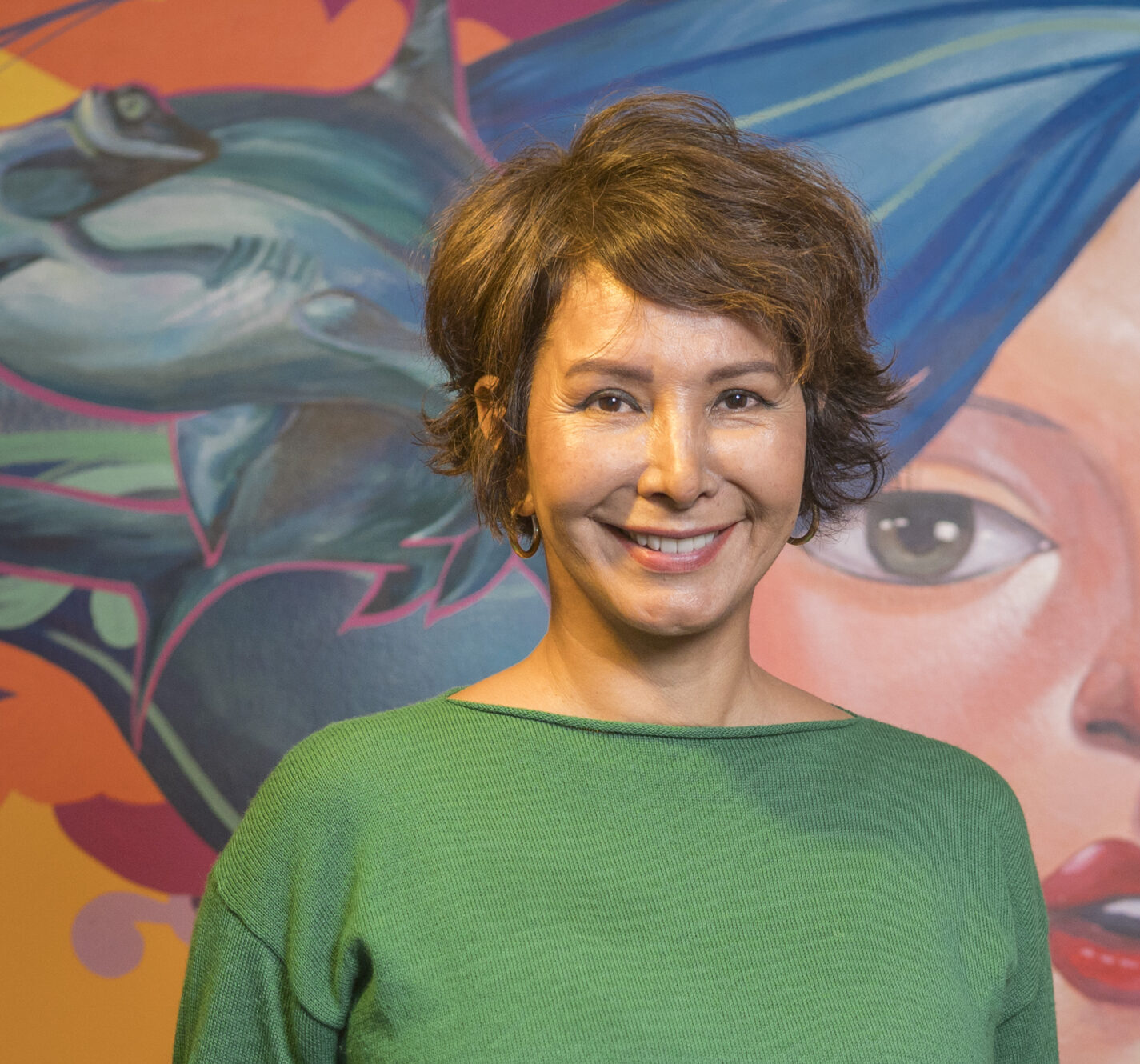 Speaker
Joana Alfaro Shigueto, Ph.D.
Joana Alfaro Shigueto is one of the foremost international experts on the biology and protection of marine megafauna species, including sea turtles, cetaceans, sea birds, marine otters and sharks.
She studied Biology at Universidad Ricardo Palma and received her Ph.D. from the University of Exeter, UK in 2012. Joana’s research focuses on marine conservation and small-scale fisheries, and she is the co-founder and current President of the NGO ProDelphinus, one of the most well-known conservation organizations in Peru where she resides.
She is also a faculty member of Universidad Científica del Sur, where she continues to mentor the new generation of Peruvian marine researchers and has helped mentor MSc students from Exeter Conservation Masters Programme.
Joana has been a Global fellow at the Duke Marine Laboratory and is the recipient of several awards including the Whitley Award for Nature, the Marsh Award for Marine Conservation Leadership in Latin America and the Conservation Award Carlos Ponce as Artifice de la Conservacion.
Joana is a member of the IUCN Specialist Groups of Cetaceans, Turtles, Otters, Sharks and Signatids and has served as President of the International Sea Turtle Society. She has authored and collaborated on over one hundred and fifty peer-reviewed publications.
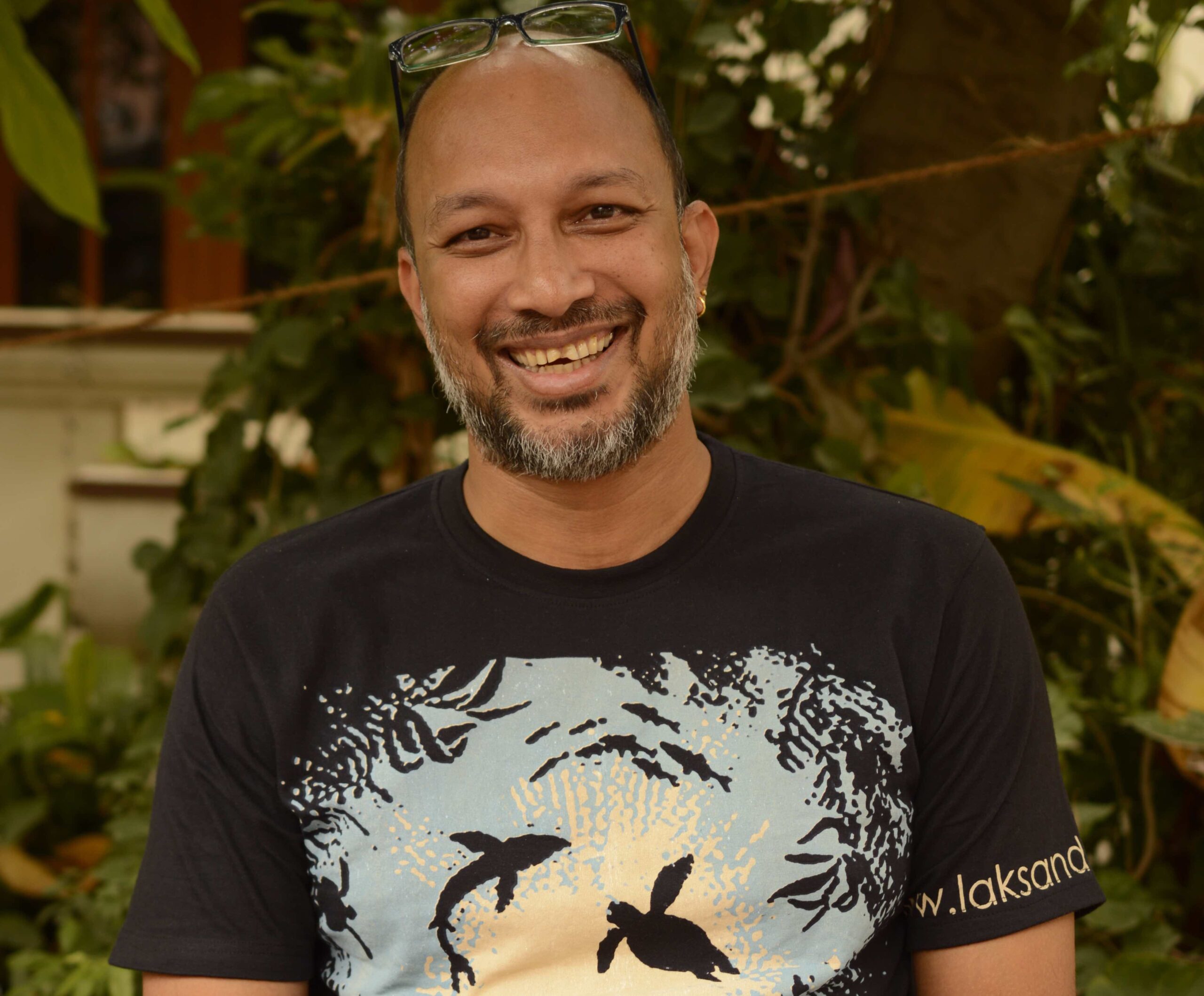 Speaker
Kartik Shanker, Ph.D.
Kartik was inspired to a career in ecology by an ancient reptile, an olive ridley turtle that crawled ashore late one night in Madras.
As faculty at the Centre for Ecological Sciences, Indian Institute of Science, Bangalore, he works on the ecology and evolution of terrestrial and marine fauna. His group works on the biogeography of herpetofauna and grouping behaviour in birds and reef fish.
He has also established long-term monitoring programmes for sea turtles and sharks along the Indian coast. Kartik is a founding trustee of Dakshin Foundation, where he oversees work on marine flagships and community wellbeing, and a founding editor of the magazine, Current Conservation.
He is the author of the book From Soup to Superstar, a historical account of sea turtle conservation in India, and several children’s books including Turtle Story, The Adventures of Philautus Frog, Moonlight in the Sea, and Lori’s Magical Mystery.
- 3. Workshops
9
November 2026
09.00 – 13.00
Satellite tagging the sea turtle “lost years”: a practical workshop for successfully tracking young sea turtles
⌄
Satellite tagging the sea turtle “lost years”: a practical workshop for successfully tracking young sea turtles
This workshop will provide participants with hands-on training on how to attach telemetry devices to young, dispersal stage (<10-25 cm straight carapace length [SCL]) hard-shelled sea turtles. We will discuss best practices, reducing hydrodynamic drag and stress on the animals, available tag types, equipment needs, and additional considerations when designing tracking studies focused on the sea turtle “lost years” (e.g., using laboratory-reared vs. wild-caught turtles; additional data or samples to collect at the time of capture; the use of passive oceanographic drifters to test for active swimming behavior). Organizer(s) will demonstrate two attachment methods, one appropriate for tagging loggerhead, Kemp’s ridley, and hawksbill turtles, and another method for tagging young green turtles. This will be followed by a hands-on practical experience for participants to practice attaching dummy tags to model turtles using one of the two described methods. All participants will receive detailed step-by-step printed instructions, a list of supplies with purchasing information, and links to published primary literature.
Co-Organizers: Dr. Sandra Hochscheid, Margherita Panzuto
9
November 2026
09.00 – 13.00
Monitoring Marine Turtles in the Mediterranean: Understanding related IMAP Indicators and Ecosystem-Based Management
⌄
Monitoring Marine Turtles in the Mediterranean: Understanding related IMAP Indicators and Ecosystem-Based Management
In 2008, the Contracting Parties to the Barcelona Convention committed to progressively applying the Ecosystem Approach for managing human activities impacting the Mediterranean marine and coastal environment. This approach aims to promote sustainable development and achieve Good Environmental Status (GES) for the Mediterranean Sea and its coasts. A fundamental aspect of its implementation is the Integrated Monitoring and Assessment Programme of the Mediterranean Sea and Coast and Related Assessment Criteria (IMAP) adopted by COP 19 Decision IG.22/7 in 2016.
9
November 2026
09.00 – 13.00
JUST A SPOONFUL OF SUGAR HELPS THE MEDICINE GO DOWN – a workshop to support the engagement in conservation of adults of all ages.
⌄
JUST A SPOONFUL OF SUGAR HELPS THE MEDICINE GO DOWN – a workshop to support the engagement in conservation of adults of all ages.
The challenges of public engagement are many, but at MEDASSET we have always believed changing hearts and minds is the key to effective conservation, so our outreach work is central to our mission. Historically, we have concentrated on winning the hearts and minds of the youngest in society – perhaps the most easily accessible cohort – devising and presenting programmes of games and activities aimed at pre and primary school children. More recently, our ambition has been to extend our work to harder-to-reach segments of our communities. So, we have carried the principles and insights we have drawn from our work with youngsters to the development of equally creative, age-appropriate programmes for secondary school pupils, working-age adults and retired people.
It is clear that not only young children like to play. Teenagers and adults do as well. They are just as keen to compete against and outsmart their friends. So, we have devised ways to “gamify” the principal messages we wish to convey, using both the digital and ‘in person’ space, making the activities we present interactive, memorable and – crucially – fun, always seeking to shift attitudes and behaviours towards more sustainable lifestyles without becoming didactic, preachy or condescending.
9
November 2026
14.20 – 17.40
6th Marine Turtle Rehabilitation Workshop
⌄
6th Marine Turtle Rehabilitation Workshop
Across the Mediterranean region, an increasing number of sea turtle rescue and rehabilitation centres work to respond to strandings, traumatic injuries, fisheries interactions, disease outbreaks and emerging conservation challenges. Many of these centres operate under demanding conditions, often with limited access to specialised expertise, resources or structured technical support. First organised during the 3rd Mediterranean Conference in Tunisia in 2008, this workshop now reaches its 6th edition in the Mediterranean region (following successful editions in Italy, Turkey, Tunisia, Croatia and Morocco). Led by 2 representatives of the Mediterranean Sea turtle rehabilitation community, it has progressively consolidated its role as a key component of regional conferences, as well as within the ISTS Symposia over the past 16 editions (from 2010 in Goa to this year in Hawaii), reflecting the shared need to strengthen professional capacity, foster collaboration and enhance the quality and effectiveness of rehabilitation practices throughout the world. Beyond emergency response, rehabilitation centres are increasingly recognised as strategic pillars of conservation. They contribute to veterinary innovation, improve understanding of mortality drivers such as gas embolism and decompression-related conditions, support the collection of critical biological data and play an essential role in public awareness and stakeholder engagement. This workshop is designed for veterinarians, biologists, rehabilitators, technicians, students and managers directly involved in sea turtle care. It offers a dynamic and participatory platform to exchange experiences, practical knowledge and operational solutions related to diagnostics, husbandry and nutrition, critical care, wound management, anaesthesia and surgery, as well as post-release monitoring. Through interactive discussions and case-based exchanges, participants will explore ways to improve animal welfare and recovery outcomes, optimise the use of limited resources, harmonise protocols and medical procedures, strengthen collaboration among centres, and better define the evolving role of rehabilitation within Mediterranean conservation strategies. A key objective of the workshop is to foster the development of a functional and supportive network of Mediterranean rehabilitation actors, encouraging trust, knowledge sharing and coordinated responses to regional challenges. Participants will be invited to contribute actively by sharing their perspectives, doubts, successes, failures and lessons learned. By building bridges between science, field practice and conservation policy, this workshop aims to advance the development of shared standards and a collective vision for the future of marine turtle rehabilitation in the Mediterranean. Everyone attending is not only welcome, but essential to this collaborative journey.
9
November 2026
14.20 – 17.40
Integrating Monitoring of Multiple Impacts for Sea Turtle Conservation in the Mediterranean
⌄
Integrating Monitoring of Multiple Impacts for Sea Turtle Conservation in the Mediterranean
This workshop addresses a key challenge in Mediterranean sea turtle conservation: the underuse of existing data due to limited integration across impact domains. Monitoring frameworks developed under the Marine Strategy Framework Directive (MSFD), particularly Descriptor 10 (marine litter), have generated a wide range of datasets extending beyond their original scope. These include information on marine litter ingestion, fishery interactions, health status, biometric parameters, stranding trends, and other biological data relevant to sea turtle conservation. This offers a valuable opportunity to assess multiple pressures in an integrated, ecosystem-based way and to identify threat-specific hotspots. Despite this growing knowledge base, datasets are still largely analyzed in isolation. As a result, current assessments often capture only partial aspects of the pressures, limiting our understanding of cumulative impacts and reducing support for policy frameworks such as MSFD (Descriptors 1 and 10), the Habitats Directive, and UNEP/MAP IMAP. Open to all conference participants, the workshop will be a three-hour interactive session combining short presentations and collaborative work. The first part (30 min) will introduce the issue of data fragmentation and the potential of existing datasets, with the Italian MSFD network as an example of integrated data collection. The second part (30 min) will feature short contributions from Mediterranean countries on available datasets, approaches, and current limitations. The core session (60 min) will include round tables focused on: (i) integrating datasets on marine litter, fisheries interactions, ship/boat strikes, health status, and strandings/population dynamics; (ii) developing indicators and interpreting conservation status; and (iii) using integrated data to support policy and monitoring frameworks. Each group will identify evidence, gaps, and operational recommendations. The workshop will conclude with a plenary synthesis of outcomes (45 min) and the launch of a joint multi-author position paper, followed by final remarks on future collaboration and concrete outputs (15 min).
9
November 2026
14.20 – 17.40
NAST-Net at a Crossroads: Stocktaking, Strategy and Perspectives for Marine Turtle Conservation in North Africa
⌄
NAST-Net at a Crossroads: Stocktaking, Strategy and Perspectives for Marine Turtle Conservation in North Africa
NAST-Net is a regional network hosted by WWF North Africa dedicated to the conservation of marine turtles along the Mediterranean coasts of North Africa. Since its establishment in 2019, the network has grown steadily, bringing together researchers, field practitioners, protected area managers and civil society organisations from Algeria, Egypt, Libya, Mauritania, Morocco and Tunisia around a shared conservation agenda.
Over the past years, NAST-Net has developed harmonised field monitoring protocols, deployed a shared data collection application among its members, and progressively built a community of practice across the region. Yet, like any cross-border initiative, the network faces persistent challenges: uneven implementation of protocols, gaps in data sharing, limited visibility at the international level, and the ongoing need to translate regional ambition into concrete national action.
This workshop seizes the opportunity of the 8th Mediterranean Conference to convene network members and interested participants for a frank and forward-looking exchange. It will combine short progress presentations, a live demonstration of the NAST-Net smart application, and facilitated working group discussions before converging in an open round table. Together, participants will assess the 2026 strategy, review the state of inter-institutional collaborations, identify gaps and priorities, and define collective next steps to strengthen the network’s reach and impact across North Africa and the broader Mediterranean basin.
10
November 2026
14.20 – 15.50
"From Pixels to Populations": An educational platform exploring Sea Turtle Ecology, Artificial Intelligence and Mathematics (presentation & practical session)
⌄
"From Pixels to Populations": An educational platform exploring Sea Turtle Ecology, Artificial Intelligence and Mathematics (presentation & practical session)
Preliminary website (under development): latest version / final website
In this workshop, we will introduce the educational gaming platform "From Pixels to Populations”. This is an interactive educational activity (and also a fun game!), tailored for high school students, that explores the application of artificial intelligence (AI) and statistics in sea turtle monitoring and conservation. Using real field data (a photo-database from the loggerhead sea turtles of Zakynthos Island, Greece), the users can follow and immerse into the full research pipeline: They first swim and capture photos of sea turtles in a highly realistic 3D underwater environment where loggerhead sea turtles freely swim. Then they use AI-enabled photo-identification to recognise individual sea turtles and finally apply statistical ecology models to infer population abundance, i.e. how many turtles were swimming in total in the 3D environment. Through this hands-on platform, the users explore key concepts underpinning AI and statistical modelling, including probability, uncertainty, and bias, all with a “touch” of sea turtle conservation. This is realised by several “scenarios” in which sometimes AI makes mistakes, as well as the existence of “friendly turtles” which are consistently observed and thus introduce bias in the final population estimation.
The workshop will consist of two parts (1+1 hour, but we can also be flexible with 30+30 mins depending on the conference time constraints): (i) An initial presentation introducing key concepts like sea turtle photo-identification, state-of-the-art AI models for this task, and basic statistical principles for population abundance. (ii) A practical session where participants will get the chance to play the game themselves. Since the game is optimised for laptop users, participants are encouraged to have their own laptops with them.
The workshop is open to everyone. The platform itself is available free of charge, open source and comes in five languages: English, Greek, French, Spanish and Arabic. Game manuals and explanatory videos will also be available.
10
November 2026
14.20 – 15.50
Fish Aggregating Devices (FADs) and Turtles in the Med: Time to Engage with Industry
⌄
Fish Aggregating Devices (FADs) and Turtles in the Med: Time to Engage with Industry
The workshop will aim to report on the current use of anchored and drifting fish aggregating devices (FADs) in the Mediterranean Sea and threats they can pose to sea turtles and coastal ecosystems. Ideally, the format will allow for discussion with members of the industry as well. In short, a major negative impact of the Mahi mahi aFAD fishery in the Mediterranean is the loss and discarding of the gear that results in several million meters of line and materials that are left on the seafloor or adrift.
11
November 2026
14.20 – 15.50
Beyond Air Temperature: Climate change and turtle nests
⌄
Beyond Air Temperature: Climate change and turtle nests
Global warming has increased mean global temperature by more than 1 °C since pre-industrial times. In marine turtles, species exhibit temperature-dependent sex determination (TSD), making embryonic development highly sensitive to nest temperature.
However, most projections of climate change impacts on turtle sex ratios rely on air temperature or sea surface temperature (SST) as proxies for nest temperature, often without validating the physical assumptions linking these variables.
This workshop aims to critically evaluate this proxy-based approach and to develop a mechanistic framework grounded in soil physics and surface energy balance processes to improve predictions of TSD responses under climate change.
11
November 2026
14.20 – 15.50
Drones for Sea Turtle Research and Conservation
⌄
Drones for Sea Turtle Research and Conservation
This session of focal presentations and discussion will demonstrate real research projects carried out using drones, emphasising the practical aspects of making the research work.
I would expect multiple presentations and discussion on the use of drones for at-sea surveying for turtles and other megafauna, using drones to map nesting beaches, using drones to provide imagery for raising awareness and several other topics.